When trying to find solar panels that will be suitable for your household, it is not enough just to go for the biggest or most efficient. The emergence of new s
Massive Solar Battery Sale Claim This Offer Now
Massive Solar Battery Sale Claim This Offer Now
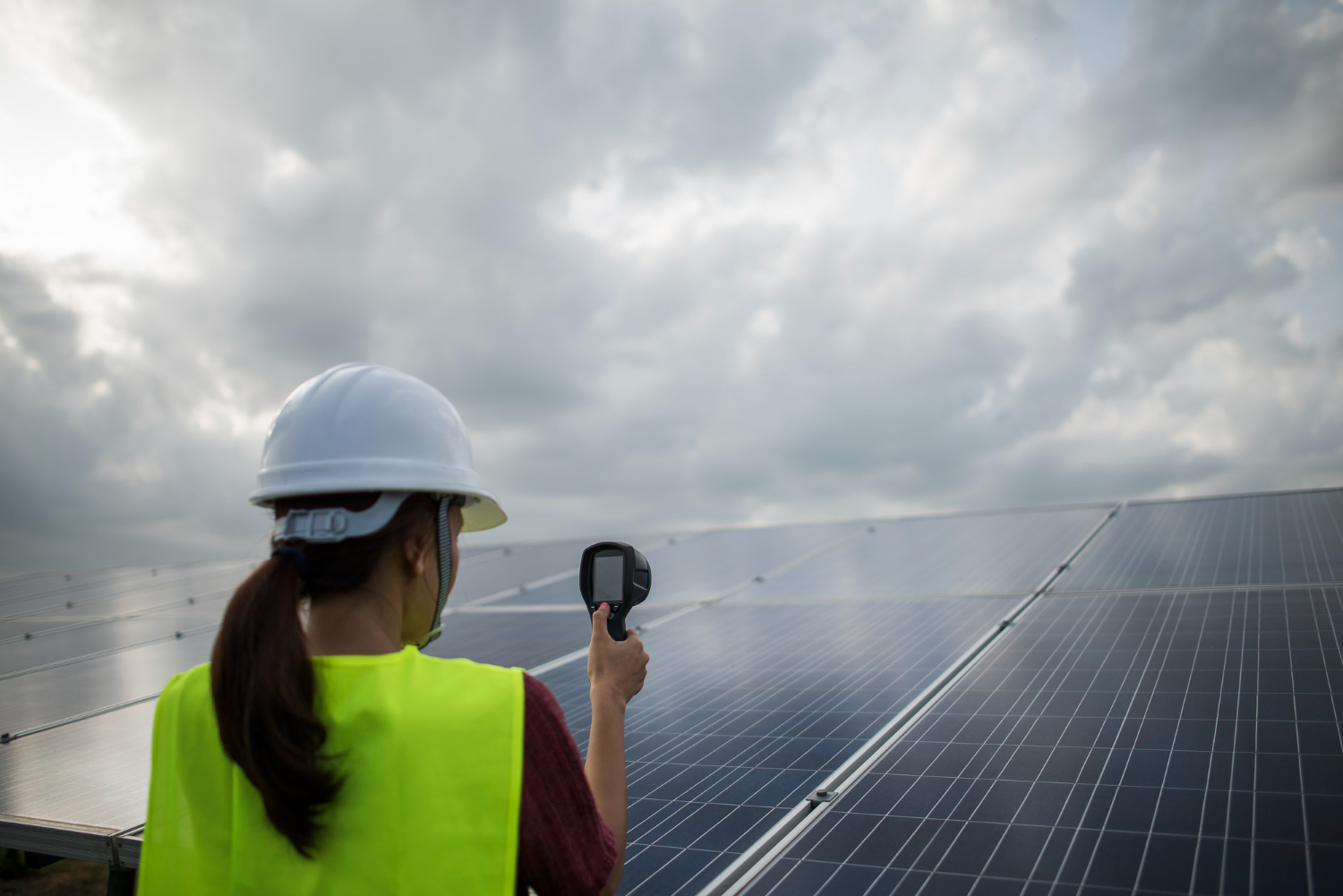
Winter brings shorter days, lower sun angles and more cloudy weather, so it is normal for your solar system to generate less electricity than it does during summer. But that does not mean your solar panels stop being valuable once the temperature drops.
For households with solar panels Melbourne and across Victoria, winter is really about making better use of the solar energy available. A few changes to when you consume electricity, combined with regular system monitoring and maintenance, can help you get more from your solar system throughout the colder months.
Yes. Solar panels generate electricity from sunlight, not heat, which means they continue producing power during winter.
What changes is the amount of sunlight available. During winter, there are fewer daylight hours in Melbourne, while cloud cover can further reduce the solar energy reaching your roof. Interestingly, cooler temperatures themselves are not necessarily bad for solar panels. Solar PV modules can operate efficiently in cool conditions when sufficient sunlight is available.
So, rather than focusing on temperature, solar system owners should focus on making the most of the generation their system produces.
Your solar panels can only directly power your household while they are generating electricity. Where practical, schedule energy-intensive appliances such as washing machines and dishwashers during the middle of the day instead of running them in the evening.
The more solar electricity you consume directly, the less electricity you may need to purchase from the grid later.
Winter is an ideal season to keep a closer watch on your solar power system monitor.
It is better not to compare the winter energy production with the summer production, but rather to pay attention to any changes that may occur. A large unexpected decrease in production can show that something in your system requires maintenance.
Monitoring will help you understand the behavior of your system in all seasons.
The sun sits lower in the sky during winter, which means objects that barely affect your panels in summer may create more noticeable shading during colder months. Trees, buildings, antenna masts, or any other structures located near your rooftop can influence your generation depending on the positioning of your solar panels.
In case you wish to install solar panels in Victoria, it is recommended to think about seasonal shading before installation of the system.
Solar panels are relatively low maintenance, but keeping an eye on their condition still matters.
Leaves, debris, or significant dirt accumulation can reduce the amount of sunlight reaching the panels. If you suspect your system needs cleaning or inspection, use a suitably qualified professional.
A properly maintained system has the best opportunity to capture the limited daylight available during winter.
Winter often means more household electricity use during mornings and evenings, when solar generation is limited or unavailable.
A solar battery can store some of the excess electricity generated during daylight hours for use later. This can help households increase solar self-consumption and reduce reliance on grid electricity.
Battery storage will not be the right solution for every household, so the decision should be based on your electricity consumption, existing system and long-term energy plans.
Getting good winter performance starts long before June.
System size, panel placement, roof orientation, inverter selection and shading all influence how a solar system performs throughout the year. This is why professional solar panel installations in Melbourne should be designed around the individual property rather than relying on a standard system configuration.
For homeowners considering solar panels in Victoria, it is worth discussing seasonal energy usage during the initial system design. Your household may use electricity very differently in July than it does in January, and a well-designed system should take those patterns into account.
Lower winter generation is a normal part of owning solar in Victoria, but there are still plenty of opportunities to make better use of the electricity your panels produce.
Using more power during daylight hours, monitoring system performance and keeping panels free from significant obstruction can all help. Battery storage may provide another option for households looking to use more of their solar energy outside daylight hours.
At Think Solar, our approach with respect to solar power installations is based on designing the system according to the needs of your property and overall energy requirements and goals, rather than offering a generic solution. The aim is not simply to generate as much electricity as possible on a perfect summer day, but to build a system that continues delivering value throughout Melbourne’s changing seasons.
To know more about Solar Panels and Batteries, call us on ☎ 1300 680 951
When trying to find solar panels that will be suitable for your household, it is not enough just to go for the biggest or most efficient. The emergence of new s