As more Australian households invest in solar energy, many are asking the same question: what happens to the excess electricity your solar panels generate durin
Massive Solar Battery Sale Claim This Offer Now
Massive Solar Battery Sale Claim This Offer Now
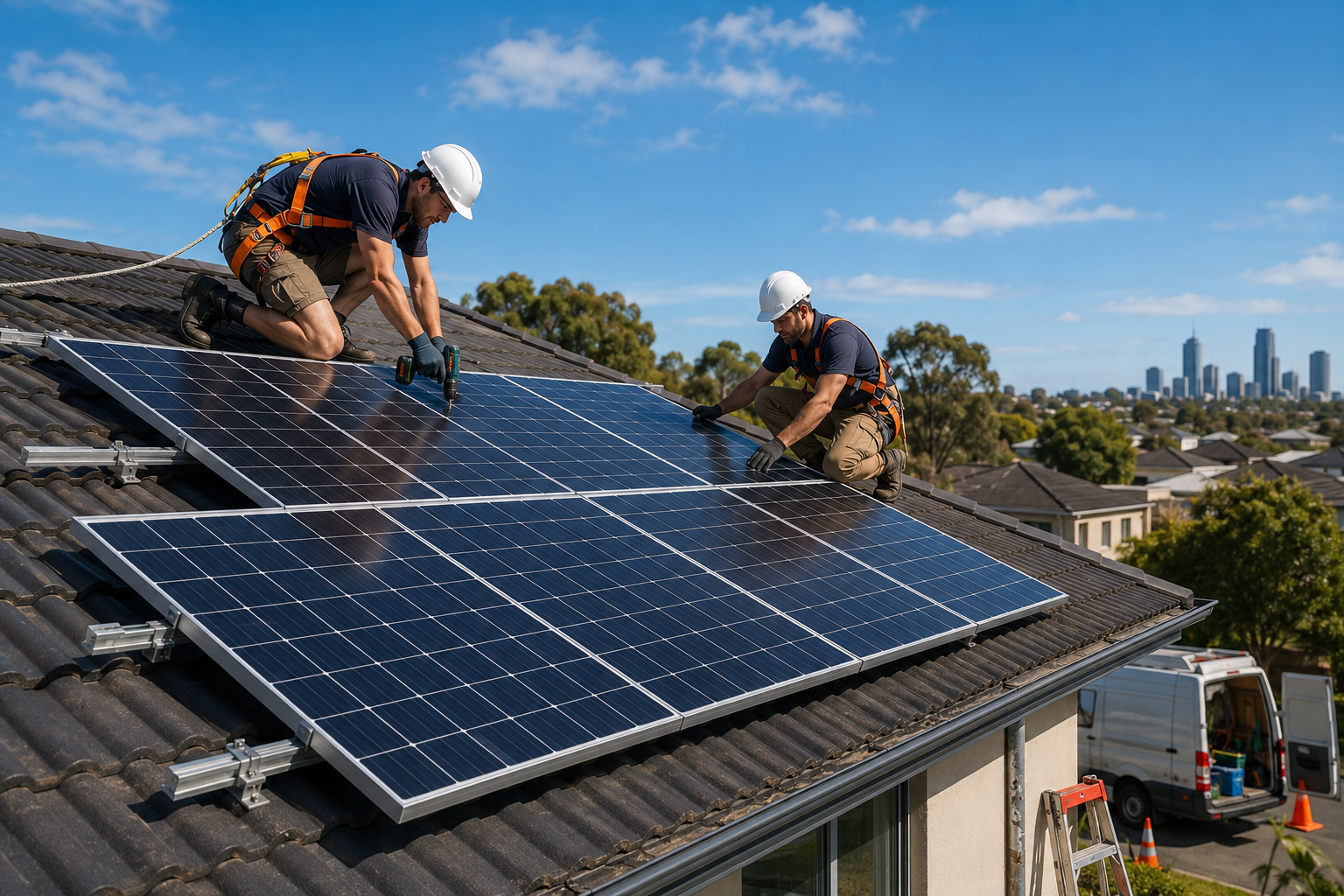
Installing solar panels is an important investment, whether you’re looking to power your family home or reduce operating costs for your business. While the long-term benefits of solar are well known, many property owners are less familiar with what actually happens during the installation process.
From the initial site assessment to system testing and commissioning, every solar panels installation follows a structured approach designed to deliver efficient performance. Understanding each stage can help you prepare your property, set realistic expectations, and feel more confident throughout the project.
No two properties have identical energy requirements, which is why a professional solar installation begins long before any panels are placed on the roof.
Your installer will assess factors such as roof orientation, available space, shading, structural suitability, electricity consumption patterns, and switchboard capacity. These details help determine the most suitable system size, panel layout, inverter location, and overall system design.
Whether it’s a residential property or a commercial facility, the objective is the same: designing a system that delivers strong long-term performance based on how the property actually uses electricity.
Before installation can begin, several administrative requirements need to be completed.
Depending on the project, this may include distribution network approvals, rebate documentation, grid connection applications, and scheduling the installation date. An experienced solar installer typically manages these processes on your behalf, making the experience considerably simpler for property owners.
Once approvals are in place and equipment is ready, the installation can be scheduled.
The installation itself is usually straightforward and carried out by qualified professionals following Australian standards.
While every project differs slightly, the process generally includes:
During some stages of the installation, electricity may need to be switched off temporarily while electrical work is completed.
The installation timeline depends on the size and complexity of the project.
Many residential solar systems can be installed within a single working day. Larger commercial installations, battery storage systems, switchboard upgrades, or properties with more complex roof designs may require additional time.
Rather than focusing solely on speed, it’s important that every component is installed correctly, thoroughly tested, and commissioned safely to ensure reliable performance for years to come.
Installation is only one part of the overall journey.
Once the system has been commissioned, your installer will explain how it operates, demonstrate any monitoring software or mobile apps, and provide warranty information along with basic maintenance recommendations.
Monitoring your system regularly allows you to track energy production, identify any unexpected changes in performance, and better understand how your solar investment is performing throughout the year.
A little preparation can help installation day run smoothly. Before the installation team arrives, it’s helpful to:
These simple steps allow the installation team to work safely and efficiently while minimising disruption.
The quality of a solar system depends not only on the equipment but also on the expertise behind its design and installation.
When comparing providers, consider their industry experience, product quality, workmanship standards, warranties, and ongoing customer support. A reliable installer will take the time to understand your property’s energy requirements rather than recommending a one-size-fits-all solution.
Whether you’re investing in solar for your home or your business, choosing an experienced installation partner helps ensure your system delivers long-term value.
Also Read: Do Solar Panels Work in Winter? How to Maximise Your System’s Performance
Solar panel installation is typically a well-organised process that is completed with minimal disruption when planned correctly. From the initial assessment and system design through to installation, testing, and ongoing support, every stage plays an important role in ensuring your solar system performs as expected.
At Think Solar, every installation starts with understanding your property’s energy goals before designing a solution tailored to your requirements. Whether you’re installing solar for a residential property or commercial premises, our focus is on delivering high-quality workmanship, dependable products, and systems built to provide reliable performance for years to come.
To know more about Solar Panels and Batteries, call us on ☎ 1300 680 951
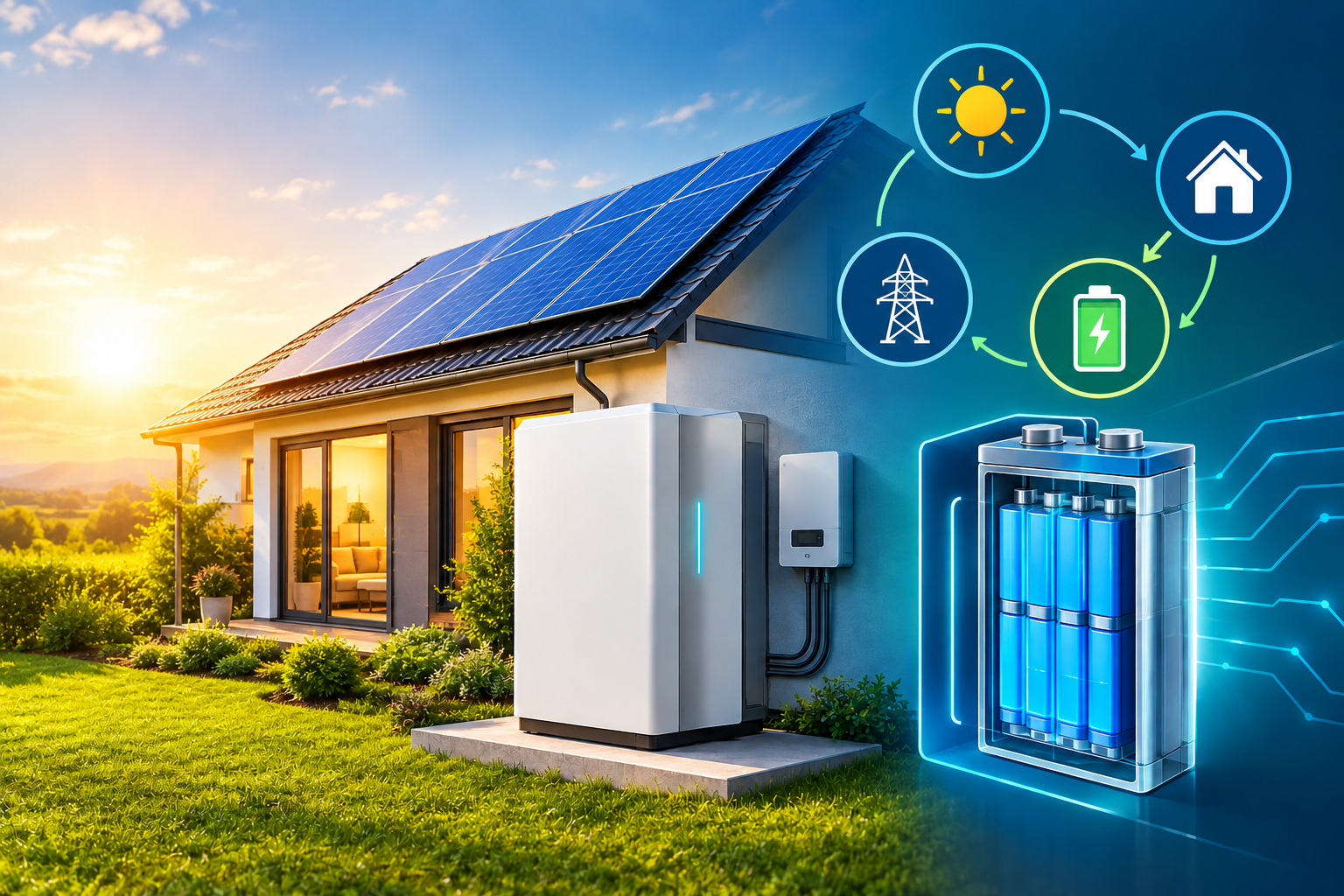
As more Australian households invest in solar energy, many are asking the same question: what happens to the excess electricity your solar panels generate durin

Australia has one of the highest rates of rooftop solar adoption in the world, and it’s easy to see why. Rising electricity prices, improving solar techno

Searching for a solar installer in Melbourne can quickly become overwhelming. There are plenty of companies offering Solar Panels Victoria, different system siz